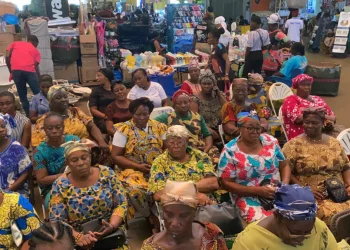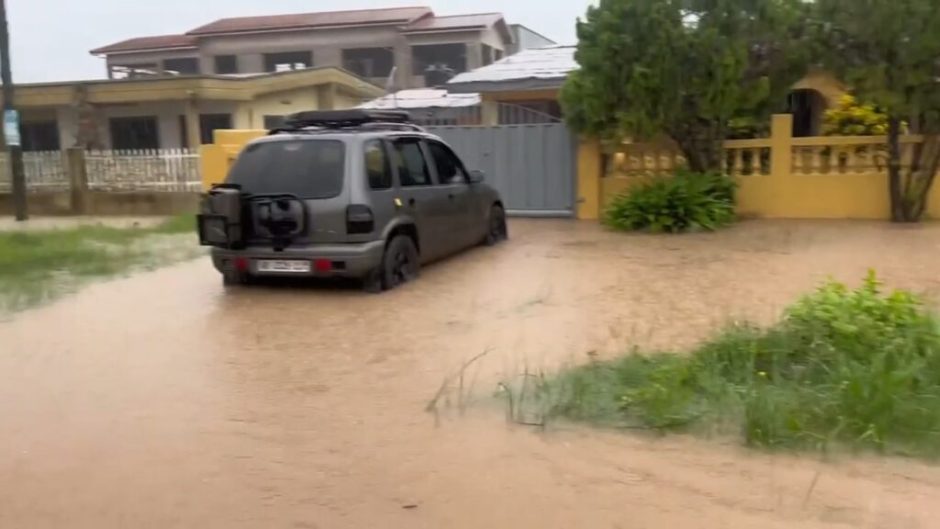
For many Ghanaians, access to clean water is no longer just a question of availability. It is increasingly about affordability. Across the country, households are paying more for water even as supply remains unreliable.
As climate change continues to alter rainfall patterns and contaminate water sources, the rising cost of water is becoming a clear example of the link between climate change and local adaptation, where keeping water safe now requires more complex and expensive treatment systems.
Behind the rising cost lies a deeper, largely unseen crisis driven by environmental degradation and the growing burden of making polluted water safe for consumption.
In Sekondi-Takoradi, resident Raymond Dzikunu has watched his water bills climb sharply.
“I used to pay about 40 to 50 cedis,” he says. “Now it’s over 170 cedis. You have to sacrifice other things like your children’s needs just to pay for water.”
For families like his, the cost of water is no longer predictable. When taps stop flowing, the situation becomes even more difficult.
“You go and buy water. Ten gallons is about 30 cedis, and it won’t last three days for a family of six,” he explains.
These additional costs, often not captured in official tariffs, are pushing already strained households further to the edge.
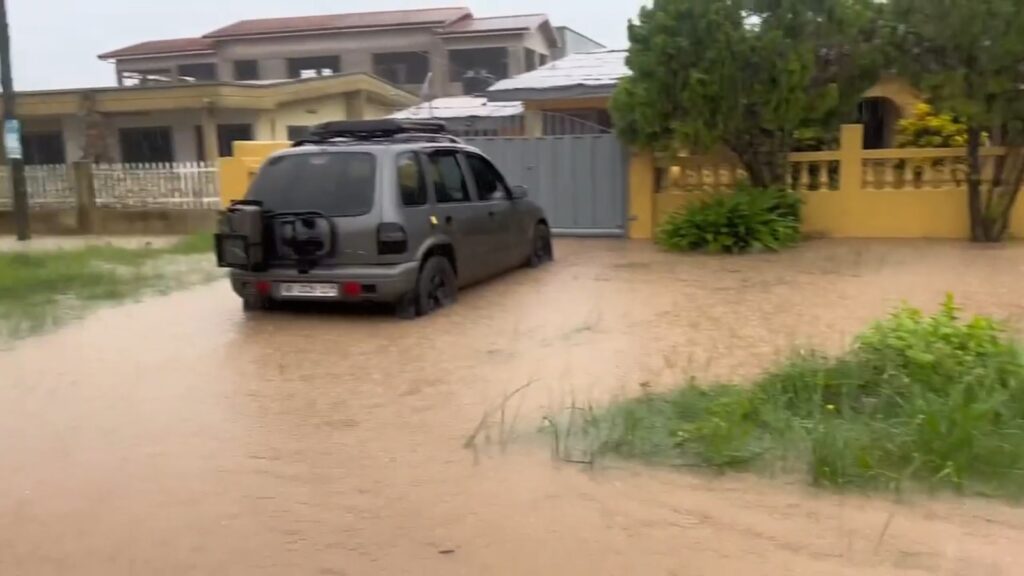
Experts say climate change is playing an increasing role in Ghana’s water challenges. Both drought and flooding are affecting the availability and quality of water, making treatment more difficult and more expensive.
“Drought reduces water supply, while flooding pollutes water sources,” explains climate and health researcher Millicent Kwaw.
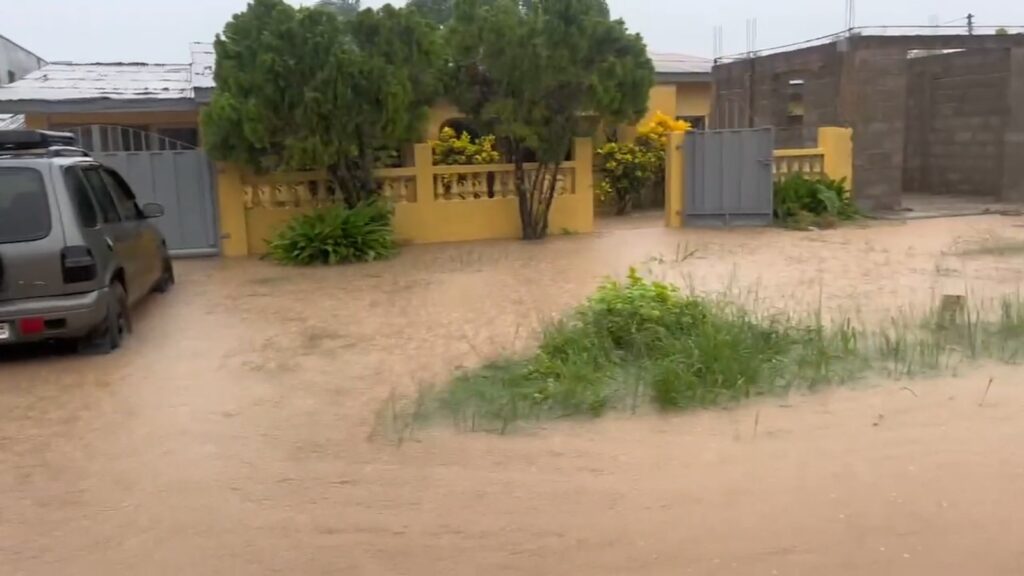
In northern Ghana, prolonged dry spells have reduced access to water in some communities. In other parts of the country, heavy rains are washing pollutants into rivers and streams, compromising water quality at the source.
Beyond climate pressures, illegal mining, commonly known as galamsey, has become one of the most significant threats to Ghana’s water bodies.
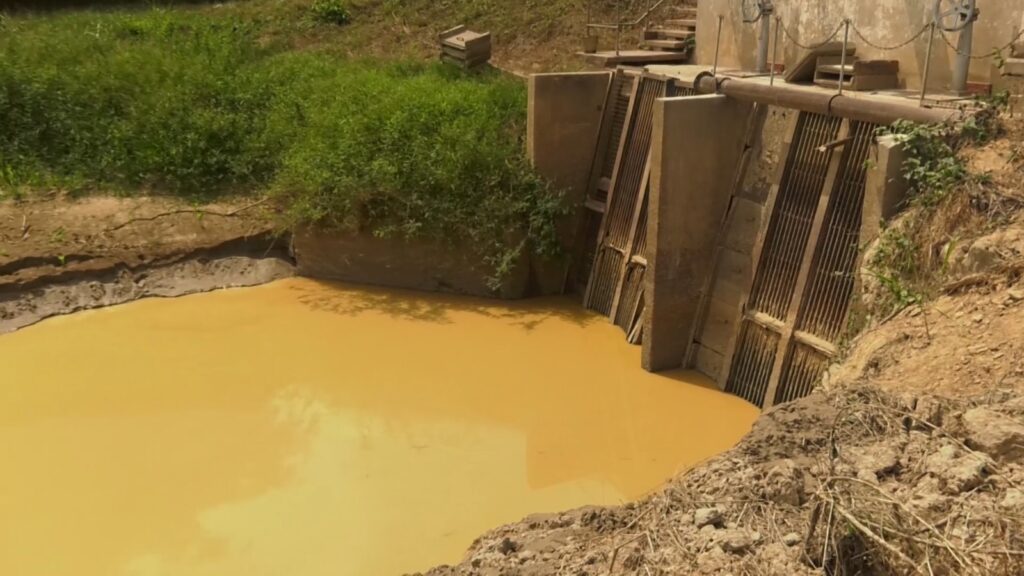
Major rivers such as the Pra and Ankobra have been heavily polluted by mining activities, with chemicals like mercury and cyanide contaminating raw water sources.
“These activities introduce harmful chemicals into our water bodies,” Kwaw says. “This makes treatment more complex and more expensive.”
The impact is not only environmental. It is economic.
At water treatment facilities in the Western Region, the consequences of pollution are becoming increasingly visible.
Water that once required minimal treatment now arrives heavily contaminated, forcing operators to increase the use of chemicals, energy and labour.
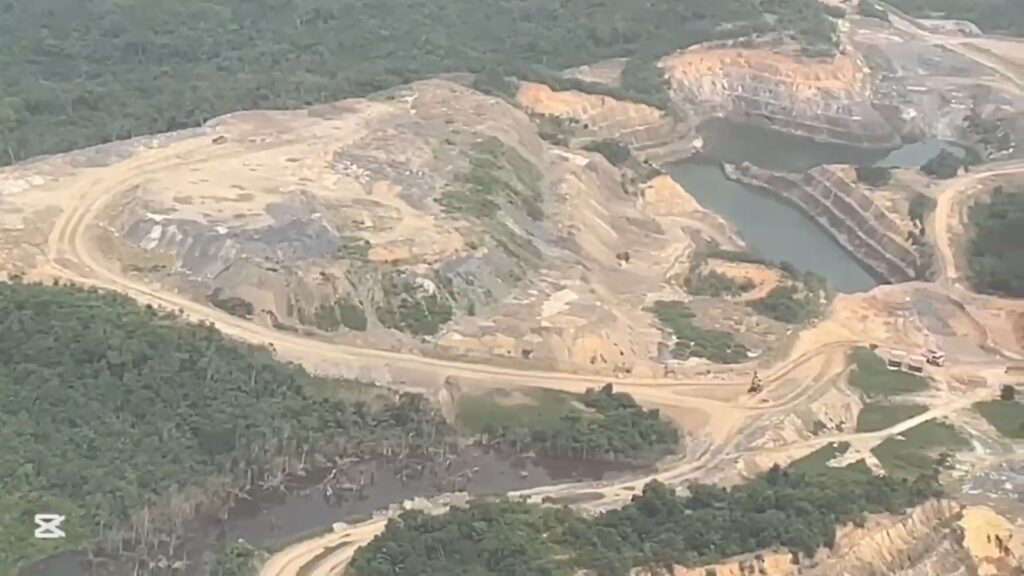
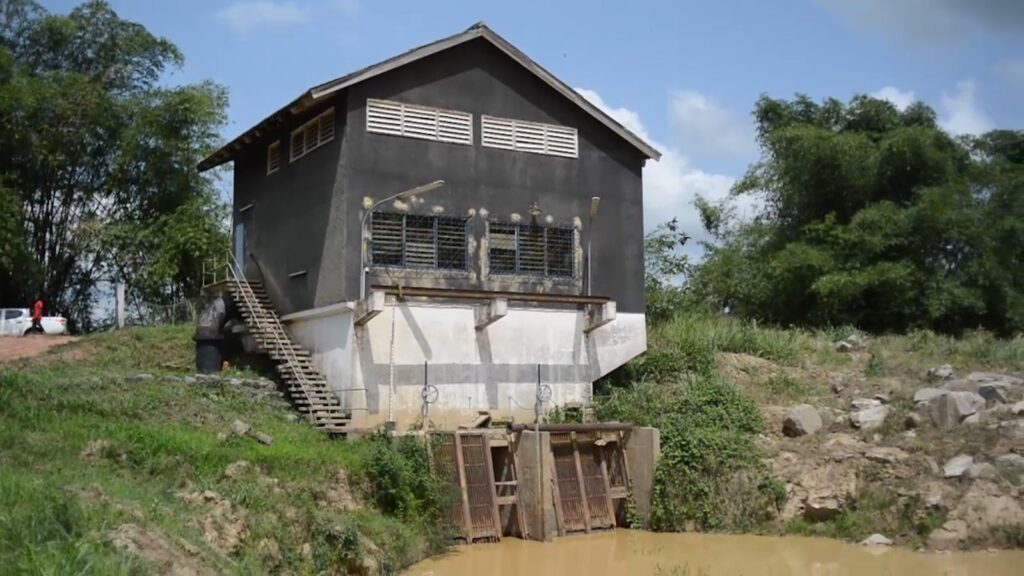
At the Bonsa Water Treatment Plant in Tarkwa, the situation has become particularly severe.
Originally designed to treat water with a turbidity level of 15 Nephelometric Turbidity Units, the plant has recorded levels as high as 4,400, making effective treatment extremely difficult.
To cope, the Ghana Water Company is forced to carry out frequent dredging of sediment from intake points.
“The dredging that was done recently cost close to four to five million cedis,” says Richard Esua. “If this continues every month, you can imagine the situation we are in.”
Across the Western Region, other major treatment plants are facing similar pressure.
At Inchaban and Daboase, key sources of supply to the Sekondi-Takoradi metropolis, operators are struggling to meet demand as raw water quality continues to deteriorate.
Together, these plants produce less than half of the estimated daily demand of over 15 million gallons for the metropolis, highlighting a growing gap between supply and need.
Officials say increased siltation, pollution and fluctuating water levels are making it harder to abstract and treat adequate volumes of water, further compounding the cost of production.
The deteriorating quality of raw water is also driving up the cost of treatment chemicals.
Former regional communications officer of the Ghana Water Company, Nana Yaw Barima, explains that the company has had to switch to more expensive inputs.
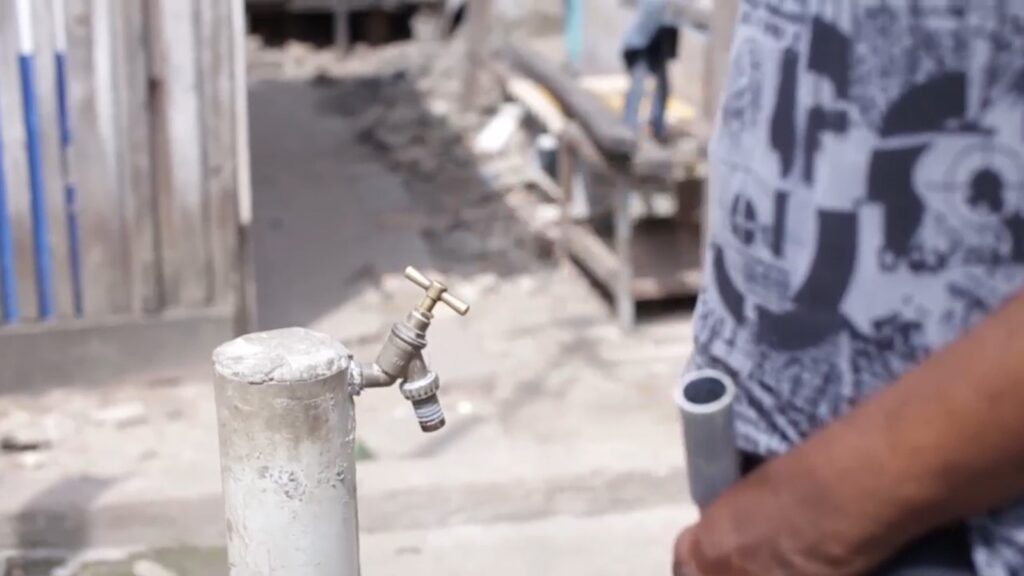
“We now use chemicals that are about four times more expensive than alum because of pollution,” he says.
These rising operational costs, combined with energy, maintenance and infrastructure challenges, are putting significant pressure on the water utility.
The financial implications extend far beyond individual households.
According to projections by Ghana Water Limited, the cost of water treatment and distribution could reach GH¢17.7 billion by 2030, up from just over GH¢4 billion in recent years.
This sharp increase is being driven by pollution, climate variability, infrastructure strain and rising chemical costs.
Even as costs rise, supply continues to lag behind demand.
Officials say the Sekondi-Takoradi metropolis alone requires more than 15 million gallons of water per day, yet existing treatment systems produce far less.
This gap forces many residents to rely on alternative, often unsafe water sources.
Despite these challenges, experts say solutions exist.
One key intervention is stronger enforcement against illegal mining activities, particularly along critical water bodies such as the Pra River.
“The solution lies in removing illegal miners from our water sources,” Nana Yaw Barima notes.
There are also calls for increased investment in climate resilient water infrastructure, improved waste management and public education on protecting water bodies.
The Managing Director of Ghana Water Company Limited, Adam Mutawakilu, says the company is exploring innovative alternatives.
One option under consideration is tapping into underground water reserves from mining operations, which are less affected by surface pollution.
“These are large reservoirs of clean water,” he explains. “If we can harness them, it will reduce the burden of treating heavily polluted surface water.”
While these solutions are being explored, the reality for many households remains unchanged.
The cost of water continues to rise, both directly through tariffs and indirectly through alternative sourcing.
For Raymond and many others, the burden is immediate and personal.
“If we don’t stop pollution,” he says, “the cost will keep going up and we are the ones who will suffer.”
Water is essential to life, but in Ghana the cost of keeping it clean is rising.
Driven by climate change, pollution and systemic challenges, the price of safe water is no longer just an environmental issue. It is a social and economic one.
Unless urgent action is taken to protect water sources and invest in sustainable, climate adaptive solutions, the cost of clean water may soon place it beyond the reach of many households.
This story is brought to you by JoyNews in partnership with CDKN Ghana and the Centre for Climate Change and Sustainability Studies at the University of Ghana, Legon, with funding support from the CLARE R4I Opportunities Fund.
- President Commissions 36.5 Million Dollars Hospital In The Tain District
- You Will Not Go Free For Killing An Hard Working MP – Akufo-Addo To MP’s Killer
- I Will Lead You To Victory – Ato Forson Assures NDC Supporters
Visit Our Social Media for More
About Author