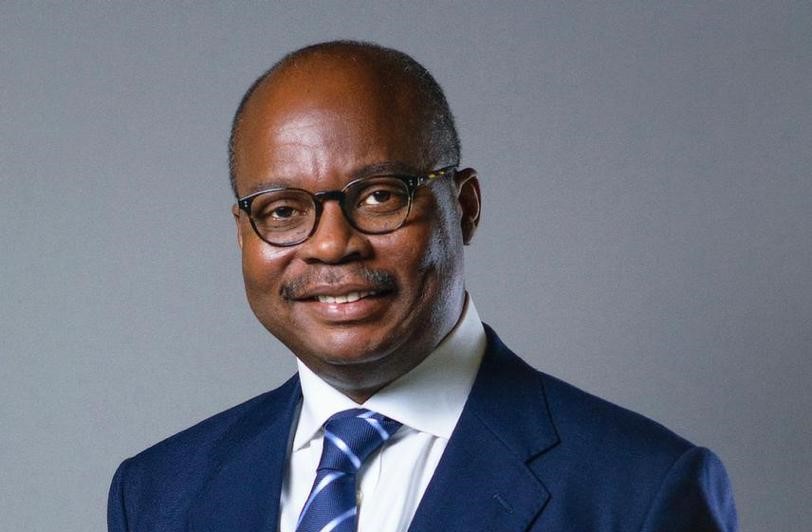
The Governor of the Bank of Ghana, Dr. Ernest Addison is optimistic that Inflation rate will continue to trend downwards in the coming months.
He stated that the trend may continue if the country is not hit by external shocks.
According to Dr. Addison, the forecast is based on some measures implemented by the Monetary Policy Committee of the Bank of Ghana to check the rising inflation rate.
He spoke to Joy Business during the 2023 IMF/World Bank Spring Meetings in Washington DC in USA.
“Expect more surprises in the coming months when it comes to Ghana’s Inflation Rate”, he told Joy Business’ George Wiafe.
BoG and inflation rate dynamics
The Bank of Ghana has increased the policy rate by some 12.5 percentage points since March 2022 as part of measures to help check rising inflation rate.
At a recent meeting with Journalists in Ghana a meeting by the Monetary Policy Committee, Dr. Addison noted that the central bank expects inflation to slow to 29 percent by the end of 2023.
He is hopeful the policy measures undertaken by the central bank would aid in the downward trend of inflation rate in the coming months. T
Dr. Addison justified the recent hikes in the policy rates.
Some business groups however expressed some reservations about the hikes, warning it could lead to high cost of borrowing.
Some analysts have blamed the high inflation on the policy rate hikes.
There are also some concerns that recent increases in taxes could be the reasons for the high inflation.
EIU and Policy Rate hikes
London Based, Economist Intelligence Unit (EIU) has projected a 100 basis points increase at the next meeting of the Monetary Policy Committee.
This should result in the Bank of Ghana ending the year with a Policy Rate of 31.5 percent.
The Monetary Policy Committee at its last meeting ending March 2023 , increased the policy rate by 150 basis points to 29.5 percent in an effort to try and stem soaring inflation pressures and the depreciation of the cedi against the US dollar.
The EIU said inflationary and currency pressures will remain elevated until at least mid-2023.
This, it said will be driven part by high global commodity prices, and debt-restructuring uncertainties.
It added that stability will only return once debt-restructuring terms are agreed and the IMF’s Executive Board approves the proposed US$3bn programme.
“We currently expect this in mid-2023, although downside risk loom large,” the EIU report said.
“We expect the policy-rate to reach 31.5% by end-2023, before being held stable in 2024 as inflationary pressures eases” the report added.
DISCLAIMER: The Views, Comments, Opinions, Contributions and Statements made by Readers and Contributors on this platform do not necessarily represent the views or policies of Homebase Television Ltd.
- President Commissions 36.5 Million Dollars Hospital In The Tain District
- You Will Not Go Free For Killing An Hard Working MP – Akufo-Addo To MP’s Killer
- I Will Lead You To Victory – Ato Forson Assures NDC Supporters
Visit Our Social Media for More
About Author