The Minority in Parliament has sharply criticised the recent water and electricity tariff increments, warning that the hikes will entirely negate the negotiated 9% wage adjustment for 2026 and further impoverish Ghanaians.
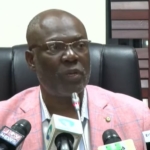
The Ranking Member on Parliament’s Energy Committee, George Kwame Aboagye, accused the government of choosing the “lazy path of shifting its failures onto already suffering consumers” instead of tackling systemic inefficiencies within the power sector.
He addressed a press conference in Accra on Monday, December 8, regarding the recent utility price hikes.
The recent utility increases—which typically include rises in electricity (up to 9%) and water (over 15%)—come barely a month after the tripartite committee concluded negotiations for a 9% increase in the minimum wage and base pay for workers for the 2026 fiscal year.
Mr. Aboagye warned that the cumulative effect of the utility hikes will completely negate any financial relief intended by the pay increase:
“This will completely wipe out the mega nine per cent wage adjustment for 2026.”
His comments underscore the growing anxiety among organised labour and consumer groups that the government’s reliance on tariff increases is undermining efforts to improve the real incomes and economic stability of Ghanaian workers.
Mr. Aboagye utilised specific data points to argue that the government is ignoring massive losses in the energy sector, losses that should be addressed before burdening consumers.
He highlighted the financial impact of generation overcapacity that the country is obligated to pay for under Power Purchase Agreements (PPAs).
He cited Ghana’s current installed generating capacity, noting that recent data shows a system capable of producing 5,500 megawatts (MW), compared to a recent national peak demand of 4,080 megawatts (MW).
This substantial gap, he argued, represents costly idle capacity, often termed “Take or Pay” costs.
Crucially, Mr. Aboagye focused on technical and commercial losses and capacity payment costs, quantifying the financial damage:
“5,500 megawatts and a recent peak demand of 4,080 megawatts; 32% amounted to 1,120 megawatts and 1,305 megawatts, and if you quantify it at the price of 16 cents as a match price this year, you get 80 to 90 million dollars in losses.”
This estimated loss of $80 to $90 million—derived from quantifying the cost of unutilised energy at a benchmark price of 16 cents—represents a substantial drain on the national budget that the tariff hikes fail to address.
Mr. Aboagye questioned the government’s priorities, arguing that the decision to raise tariffs is a short-sighted fix that penalizes the public for state failures.
“Why does the government ignore this reality and instead impose measures that further impoverish Ghanaians? Instead of fixing the system, the government has chosen the lazy path of shifting its failures onto already suffering consumers.”
- President Commissions 36.5 Million Dollars Hospital In The Tain District
- You Will Not Go Free For Killing An Hard Working MP – Akufo-Addo To MP’s Killer
- I Will Lead You To Victory – Ato Forson Assures NDC Supporters
Visit Our Social Media for More
About Author