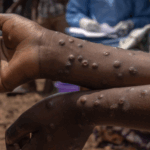

Public health officials have issued a high-alert warning as Ghana grapples with an uptick in Mpox fatalities and new infections just as the nation enters its busiest festive week.
In a status report released by the Ghana Health Service (GHS) on Monday, December 22, 2025, authorities confirmed that two more lives have been lost to the virus, bringing the national cumulative death toll to six.
The update also revealed 13 newly laboratory-confirmed cases, pushing the total number of infections recorded since the outbreak began to 947.
While the GHS noted that there are currently no patients on admission in treatment centers—indicating that most current cases are being managed through home isolation or outpatient care—the timing of the surge is a major concern for epidemiologists.
With Christmas and New Year celebrations driving record foot traffic at markets, transport terminals, and social events, the risk of rapid community transmission has heightened.
“The Service urges the public to avoid crowded places during this festive season if possible,” the GHS stated in its latest situational brief.
Mpox (formerly known as Monkeypox) is a viral zoonotic disease. However, in the current Ghanaian context, the GHS emphasizes that the virus spreads primarily through human-to-human close contact. This includes skin-to-skin contact, respiratory droplets during prolonged face-to-face interaction, and contact with contaminated bedding or clothing.
Health officials are urging Ghanaians to monitor themselves and their loved ones for a specific cluster of symptoms:
- Fever and Chills: Often the first sign of infection.
- Swollen Lymph Nodes: A hallmark symptom that distinguishes Mpox from smallpox or chickenpox.
- Skin Rash: Which often begins on the face before spreading to other parts of the body, including palms and soles.
- Exhaustion: Intense muscle aches, headaches, and general tiredness.
The jump in deaths from four to six underscores the danger of delayed treatment. The GHS has reiterated that while Mpox is often self-limiting, it can be fatal in individuals with weakened immune systems or those who do not receive supportive care for complications.
“We encourage the public to report symptoms early and seek medical attention promptly to help contain the spread of the virus,” the GHS urged.
- Hand Hygiene: Frequent washing with soap and water or using alcohol-based sanitisers.
- Physical Distancing: Maintaining space in high-density areas like “Detty December” concerts.
- Surveillance: If you notice an unexplained rash, isolate yourself immediately and call the national health hotlines.
As the country navigates the final days of 2025, the Ghana Health Service remains in “active surveillance” mode, working with port health authorities and district teams to ensure that the holiday joy does not lead to a January health crisis.
- President Commissions 36.5 Million Dollars Hospital In The Tain District
- You Will Not Go Free For Killing An Hard Working MP – Akufo-Addo To MP’s Killer
- I Will Lead You To Victory – Ato Forson Assures NDC Supporters
Visit Our Social Media for More
About Author