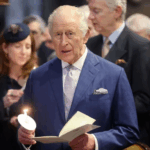
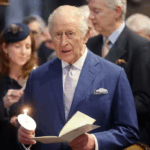
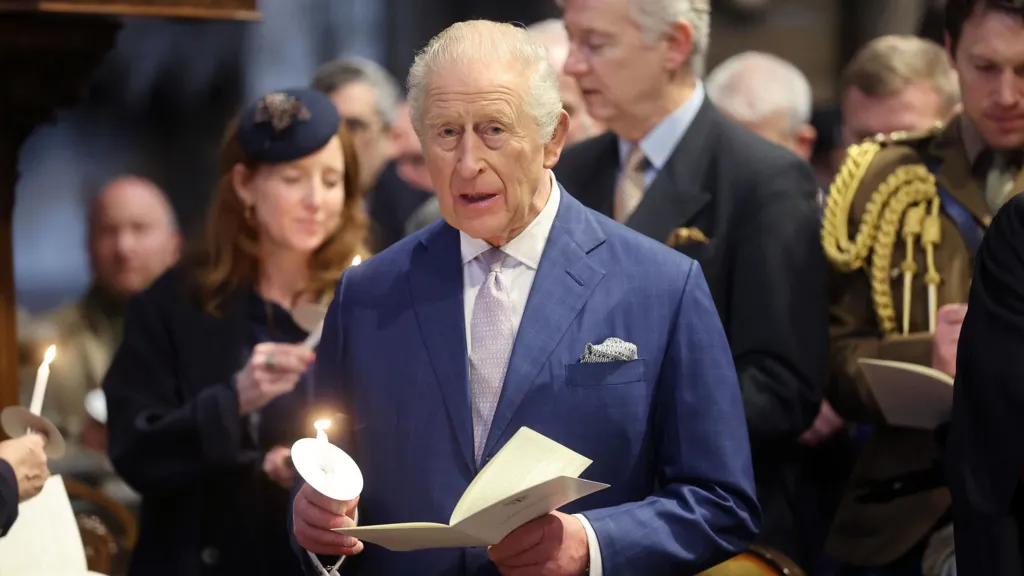
King Charles has been praised for hiscandour in talking about his cancer treatment where he highlighted the importance of early detection and screening.
In a recorded video message, broadcast on Channel 4 for the Stand Up To Cancer campaign, the King said his treatment was being reduced and he urged people to take up offers of cancer screening, saying “early diagnosis quite simply saves lives.”
The type of cancer he is being treated for has not been revealed and the King, 77, will continue to receive treatment and monitoring.
Clare Garnsey, associate medical director of Greater Manchester Cancer Alliance, said his message was “very powerful”.
The King, who revealed his diagnosis in February last year, is not described as being in remission or “cured” but the regularity of his treatment will be significantly reduced in the new year.
In his video message, recorded in Clarence House two weeks ago, he said that he was “troubled” to learn that nine million people around the UK are not up to date with the cancer screening available to them.
“That is at least nine million opportunities for early diagnosis being missed,” he said.
He added: “Too often, I am told, people avoid screening because they imagine it may be frightening, embarrassing or uncomfortable.
“If and when they do finally take up their invitation, they are glad they took part.
“A few moments of minor inconvenience are a small price to pay for the reassurance that comes for most people when they are either told either they don’t need further tests or, for some, are given the chance to enable early detection, with the life-saving intervention that can follow.”
Speaking to BBC Breakfast, Miss Garnsey said she, “like the majority of health professionals who work in the cancer field” was “really thankful” for what the King said.
“I think the message was very powerful about the importance of early diagnosis and how important it is that we all attend for our screening,” she added.
She said it is “really helpful” to healthcare professionals when people in “positions of influence” – such as the King – speak publicly about their experiences with cancer.
These messages highlight that it “can happen to anybody”, she said, and raise awareness of the potential symptoms someone may experience.
Royal biographer and friend of King Charles, Jonathan Dimbleby, said the King’s message demonstrated the “unique role of the sovereign”.
Speaking to BBC Radio 4’s Today programme, he said the King’s decision to speak openly about his treatment in such “warm, gentle, thoughtful, kind terms” was “quite extraordinary and it has great impact”.
He said the King’s message will give people “great reassurance” to hear of someone who “has a cancer and lives with that cancer”.
“It makes you recognise […] that it’s not a death sentence,” he added.
Dimbleby’s father, broadcaster Richard Dimbleby, died at age 52 in 1965.
“When he died, he had been frightened to say, in advance to himself even, that he had cancer,” he said, adding that the word cancer was “hardly usable then”.
He said it took “guts” for the King to share such a personal message publicly, but that “the fact that he came out and did that will save lives, and people will be less frightened of saying ‘we must go and get a test’.”
Dimbleby said that when it was announced that the King was having treatment for an enlarged prostate in 2024, there was a considerable surge in searches to the NHS website.
“No one else could have done this,” he added.
What can be general symptoms of cancer?
Different types of cancer all have their own symptoms – but the NHS says general symptoms can include:
- A new lump or swelling
- Sweating a lot or a high temperature
- Feeling more tired than usual
- Unusual bruising or bleeding
- Unusual pain anywhere in the body
- Unexpected weight loss or loss of appetite
- Needing to pee more often or more urgently, or pain when you pee
Until now the King has said little publicly about his illness.
In his video message, King Charles said he knew how “overwhelming” a diagnosis can feel, but stressed that early detection is “key” to give patients the “precious gift of hope”.
The NHS has three cancer screening programmes – for bowel, breast and cervical cancer – available to certain age groups.
These tests can detect a problem even before someone experiences symptoms.
In his message, the King also urged people to use the screening checker online tool.
- President Commissions 36.5 Million Dollars Hospital In The Tain District
- You Will Not Go Free For Killing An Hard Working MP – Akufo-Addo To MP’s Killer
- I Will Lead You To Victory – Ato Forson Assures NDC Supporters
Visit Our Social Media for More
About Author