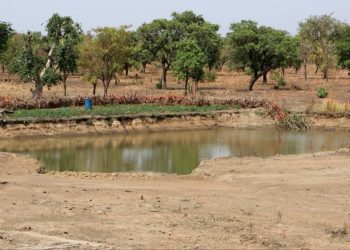

The history of Gwollu, in Ghana’s Upper West Region, is inseparable from the great resistance mounted by African communities against enslavement.
Positioned at the crossroads of the Transatlantic Slave Trade to the south and the Trans-Saharan Slave Trade to the north, Gwollu faced sustained threats from slave raiders and expanding empires.
Among the most destabilizing forces of the period were Samory Touré, whose military campaigns reshaped large parts of the region, and Babatu, whose raids terrorized communities across northern Ghana. Faced with these existential threats, the people of Gwollu chose organized resistance over submission.
Why the Wall Was Built
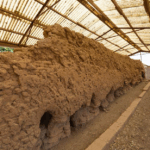
The Gwollu Defensive Wall was constructed as a strategic and communal response to repeated slave incursions. It was designed to block access routes used by slave raiders feeding both coastal transatlantic networks and northern trans-Saharan routes. More than a fortification, the wall represented one of the clearest examples of indigenous African resistance to enslavement—rooted in foresight, unity, and collective survival.
Founding Vision: From Ancestral Defense to Cultural Memory
This legacy was formally institutionalized by the late Kuoro Kuri-Buktie Limann IV, Paramount Chief of Gwollu and founder of the Tanjia Musa Fire Festival. His vision was clear: the story of Gwollu’s resistance must not fade into obscurity, nor be told solely through external lenses. The festival was established as a living archive—one that preserves history while transmitting its lessons to future generations.
Current Leadership and Direction
Today, the festival is led by Junaid Limann, CEO and Lead Curator of the Tanjia Musa Fire Festival. Building on his father’s foundational vision, Junaid has expanded the festival into a multi-layered cultural, educational, and economic platform—linking local heritage to national development and Pan-African engagement.
The Three Core Components of the Festival
The Tanjia Musa Fire Festival is structured around three strategic components:
1. The Main Festival in Gwollu
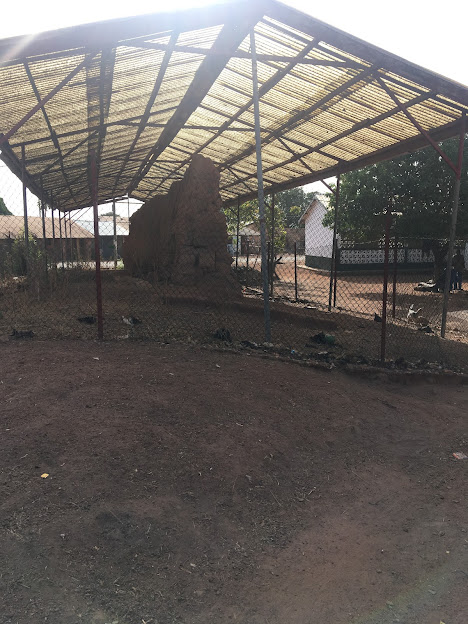
Held annually in Gwollu, this component features music, traditional performance, film, storytelling, lectures, and guided heritage tours of the Gwollu Defensive Wall and surrounding historical sites. It grounds the festival in place—ensuring that history is experienced where it was lived.
2. The Music and Arts Residency Programme
Delivered in partnership with academic and cultural institutions, this residency brings together artists, scholars, and cultural practitioners to interrogate African resistance histories through music, film, research, and creative production. The residency ensures that Gwollu’s story circulates globally while fostering meaningful exchange.
3. The Pan-African Expedition Drive: Accra to Dakar
The third component is a Pan-African Expedition Drive Tour from Accra to Dakar, undertaken using Nissan Patrol Y61 vehicles as the primary expedition vehicles. This journey traces historic West African corridors affected by slavery, colonial extraction, and resistance.
The expedition is not a tourist convoy, but a moving platform for documentation, dialogue, and Pan-African reflection—connecting communities across Ghana, Côte d’Ivoire, Liberia, Sierra Leone, Guinea, The Gambia, and Senegal. It reinforces the festival’s continental scope and positions mobility, storytelling, and endurance as symbols of African self-determination.
Partnership with Government and National Institutions
The Tanjia Musa Fire Festival operates with strong institutional collaboration and alignment with national cultural and development priorities. The initiative has received engagement and support from key government and public institutions, including:
- The Diaspora Affairs Office of the President of Ghana, recognizing the festival’s role in diaspora engagement and reconnection
- The Ghana Tourism Authority, supporting heritage-led tourism development
- The Northern Development Authority, aligning the festival with regional economic growth objectives
- The National Commission on Culture, affirming the festival’s cultural and historical significance
These partnerships position the festival as more than a cultural event—it is a nationally relevant platform that bridges heritage preservation, tourism, creative industry development, and diaspora relations.
Opening Northern Ghana to Business and Tourism
Through its integrated structure, the Tanjia Musa Fire Festival offers a clear pathway for opening Northern Ghana to sustainable opportunities in:
- Heritage and cultural tourism
- Hospitality and transport services
- Creative industry investment
- Academic research and cultural exchange
- Diaspora-led enterprise and partnerships
Rather than extractive development, the festival promotes culture-driven growth, ensuring that economic benefits flow directly to local communities while preserving historical integrity.
Conclusion: Resistance Remembered, Opportunity Reclaimed
Gwollu once built a wall to defend its people from erasure.
Today, through the Tanjia Musa Fire Festival, it builds bridges—to the diaspora, to investors, to scholars, and to the future.
The fire is no longer a warning signal.
It is a beacon.
- President Commissions 36.5 Million Dollars Hospital In The Tain District
- You Will Not Go Free For Killing An Hard Working MP – Akufo-Addo To MP’s Killer
- I Will Lead You To Victory – Ato Forson Assures NDC Supporters
Visit Our Social Media for More
About Author