The Institute of Economic Affairs (IEA) has urged the Government to take full ownership of Ghana’s lithium resources, contract the private sector to mine on its behalf, and develop the lithium value chain to maximise national benefits.
It said Government must establish a state-owned Ghana Lithium Company (GLC) to lead the effective exploitation and management of the mineral.
The IEA noted that the Government had already invested US$32 million in the Ewoyaa project, a significant contribution compared to that of Barari DV, the private investor seeking to own the mine, and said more could be done to assume control of the resource.
“The GLC should be mandated to develop the entire lithium value chain from raw lithium to batteries in Ghana,” the Institute said.
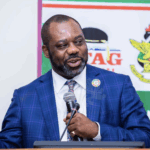
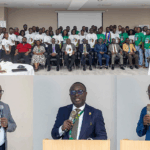
Addressing the media at a press conference in Accra on Tuesday, Dr Charles Mensah, the Chairman of the IEA, said based on the current market price of US$9,000 per tonne of lithium carbonate, Ghana could earn about US$172 billion from processing the estimated 3.6 million tonnes of spodumene concentrate at the Ewoyaa Mine.
He said lithium should be declared a strategic mineral for economic prosperity and national security.
“As a strategic mineral, it is critical for Ghana’s energy transition and economic transition into the modern economy,” Dr Mensah said.
He urged the Government to “hasten slowly” in decisions about mining the resource, cautioning against arguments rooted in falling global prices of the mineral.
“I tell people who make such arguments that what they are advising is ‘voodoo economics’,” he added.
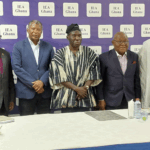
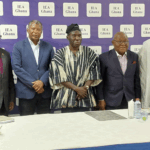
Professor Aaron Mike Oquaye, an IEA Fellow and former Speaker of Parliament, called on Parliament to halt the ratification of the revised lithium agreement to avoid the state being short-changed as has been the case with previous natural resource deals.
He said Ghana’s current mining legislation and agreements had held the country back and needed to be overhauled.
“We envy the Dubais for what they have attained for their people with regard to natural resources,” Prof. Oquaye said.
“The models are there now, and knowledge is explosively abundant. Do you think if Dubai were collecting royalties, they would have been where they are today? So why should we do the contrary?” he queried.
Prof Oquaye cautioned local mining communities against rushing to mine, saying hasty exploitation could leave them worse off, as seen in many mining communities across the country.
Mr Inusah Fuseini, a former Minister of Lands and Natural Resources, said Ghana had a “golden opportunity” to use lithium- a critical mineral- to transform its economic fortunes.
He said the parliamentary contention that the negotiated lithium agreement was inconsistent with existing legislation, particularly the proposed 10 per cent royalty rate instead of the legally stipulated five per cent, provided grounds to reject and renegotiate the agreement.
“The basis upon which they arrived at 10 per cent royalties does not exist in law, and that is what parliamentarians are saying,” Mr Fuseini said.
“So the agreement itself is tainted by illegality. Why then should we ratify it? For me, it offers a very good opportunity to renegotiate.”
Sheikh Aremeyaw Shaibu, spokesperson for the National Chief Imam, called for deeper engagement with local mining communities to ensure they understood the processes involved and participate effectively in maximising national gains from the lithium.
- President Commissions 36.5 Million Dollars Hospital In The Tain District
- You Will Not Go Free For Killing An Hard Working MP – Akufo-Addo To MP’s Killer
- I Will Lead You To Victory – Ato Forson Assures NDC Supporters
Visit Our Social Media for More
About Author