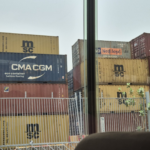
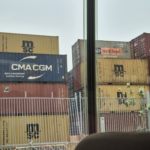
The Food and Beverages Association of Ghana (FABAG) says operations at the bulk and bagged cargo section of the Tema Port have deteriorated to their worst level in more than 23 years.
This directly contradicts claims by port management that challenges at the facility have been resolved.
In a statement dated January 5, FABAG said its members, who account for a significant share of Ghana’s bulk food and beverage imports, continue to face serious operational disruptions at the port.
The association said information from within the bulk and bagged cargo section confirms that performance levels have significantly deteriorated, describing the current situation as “the worst in over 23 years.”
FABAG reported a severe collapse in cargo discharge rates, noting that vessels are now discharging about 200 metric tonnes per day, compared to a previous minimum average of 2,000 metric tonnes per day.
It said this represents a 90% decline in operational efficiency with devastating consequences for port users.
According to the association, the introduction of a 24-hour shift system has failed to improve productivity.
Instead, inadequate staffing, low morale and unresolved worker grievances continue to affect throughput and turnaround times.
The Association also raised concern about unprecedented vessel turnaround delays.
It said information from within the port confirms that turnaround times have reached historic lows, with ships recording prolonged berthing periods, slow cargo evacuation and inconsistent loading and offloading schedules.
FABAG warned that these delays are leading to escalating demurrage, storage and logistics costs.
It said that owners of three vessels currently discharging bulk and bagged goods are already facing substantial demurrage charges, costs that will ultimately be passed on to importers, manufacturers, and Ghanaian consumers.
The association expressed concern about what it described as a growing disconnect between official statements and conditions on the ground, warning that public assurances by port management do not reflect the lived experiences of port users.
According to FABAG, minimising the situation does not solve the problem but rather worsens uncertainty and erodes confidence in port operations.
The association stressed that Tema Port is a critical national asset and that inefficiencies at the port have direct consequences for inflation, food security, the competitiveness of local manufacturers and overall economic growth.
It warned that public relations statements cannot substitute for real operational improvements.
FABAG has therefore called for immediate and transparent engagement between GPHA, port management, labour unions and key user groups, as well as independent verification of port performance data, including vessel turnaround and cargo dwell times.
It also called for urgent corrective measures to restore efficiency, reliability and predictability at the port, alongside honest communication with stakeholders and the public.
The association said it remains committed to constructive engagement but will continue to speak out when operational failures threaten the survival of local businesses and the welfare of consumers.
According to FABAG, the problems at the Port of Tema persist and must be addressed urgently and decisively.
- President Commissions 36.5 Million Dollars Hospital In The Tain District
- You Will Not Go Free For Killing An Hard Working MP – Akufo-Addo To MP’s Killer
- I Will Lead You To Victory – Ato Forson Assures NDC Supporters
Visit Our Social Media for More
About Author