The Member of Parliament (MP) for Berekum West, Dickson Kyere-Duah, has called for a critical Constitutional Review to grant the President the power to scrutinise and filter petitions for the removal of high officeholders like the Special Prosecutor (OSP).
The call comes amid an unprecedented crisis at the Office of the Special Prosecutor, where the number of petitions seeking Kissi Agyebeng’s removal has rapidly swelled to 16, threatening to paralyse the judicial process.
Speaking on JoyNews’ AM Show on Tuesday, December 2, 2025, Mr. Kyere-Duah argued that the current legal framework, while democratic, creates a vulnerability that risks politicising the judiciary and destabilising key state institutions.
The Case for Presidential Scrutiny
Under the current Office of the Special Prosecutor Act (Act 959) and constitutional provisions, the President has no discretion: once a petition for removal is received, it must be automatically forwarded to the Chief Justice to trigger a mandatory investigation process.
Mr. Kyere-Duah warned that this lack of a filter mechanism allows politically motivated or frivolous complaints to initiate a high-stakes, time-consuming process involving the highest judicial authorities.
“But as I said, as we talk of constitutional review, these are some of the things I think we should be looking at: that the President should be given some powers to look at the cases, filter through and decide whether it meets a certain threshold to trigger the processes, but as we speak, the President doesn’t have that power; once it comes in, the processes have to be triggered.”
He stressed that the current situation, where 16 petitions are pending against a single officer, demonstrates the systemic danger:
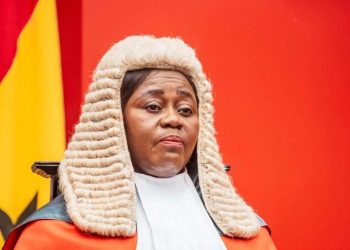
“Isn’t this the best option if they keep coming in? You know, at a point, the Chief Justice may be inundated with these processes… everyday Chief Justice may be confined to dealing with petitions rather than other equally important responsibilities that this constitution has bestowed on him.”
Implications for the Judiciary and Governance
The MP highlighted the severe administrative strain the volume of petitions places on the Chief Justice’s office.
The OSP Act dictates a strict timeline for investigation: the Chief Justice must determine a prima facie case within 30 days, and if confirmed, a three-person committee must be constituted within 14 days to conduct the full inquiry within 90 days.
If a similar barrage of petitions were launched against other officials whose removal processes involve the Chief Justice—such as the Commissioners of the Electoral Commission (EC) or the Commission on Human Rights and Administrative Justice (CHRAJ)—it could significantly impede the regular functions of the Judiciary.
The MP clarified that despite the perceived political chaos, no law is currently being violated:
“So for me, it is important we look at it, but as we speak, no constitutional provision has been breached. This is part of the democracy and with the current constitution, we have the processes I think are going through, and they should be allowed to go through.”
The proposed constitutional amendment seeks to create a pre-screening mechanism at the Executive level to assess the merit and seriousness of a complaint before committing the Judiciary to a formal, lengthy, and resource-intensive removal inquiry.
- President Commissions 36.5 Million Dollars Hospital In The Tain District
- You Will Not Go Free For Killing An Hard Working MP – Akufo-Addo To MP’s Killer
- I Will Lead You To Victory – Ato Forson Assures NDC Supporters
Visit Our Social Media for More
About Author